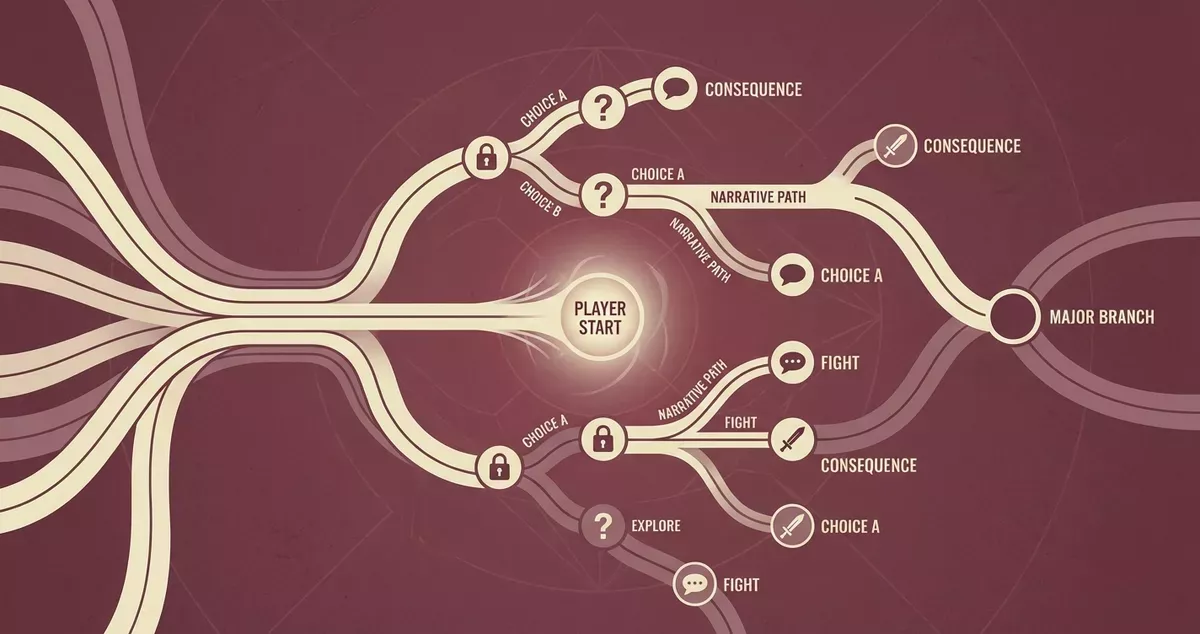
Choice based games represent one of gaming’s most compelling genres. Unlike traditional narratives where you simply watch events unfold, these decision-based games put you in the driver’s seat. Every conversation, every moral dilemma, and every split-second choice ripples through the story in ways both subtle and profound.
The best choices matter games create genuine tension because you know your decisions have weight. Save one character, and another might die. Show mercy to an enemy, and they might return to help you later. These branching narratives transform passive entertainment into personal experiences that stay with you long after the credits roll.
Why Choice-Based Games Captivate Players
Why Choice-Based Games Captivate Players
The Psychology of Player Agency
Choice based games tap into something fundamental about human nature: we want our actions to matter. When a game presents genuine consequences for your decisions, it creates emotional investment that passive storytelling cannot replicate.
The appeal of decision-based games goes beyond simple entertainment. These experiences engage players on multiple psychological levels:
Ownership of Outcomes: When you choose to save a character or condemn them, you become responsible for what happens next. That responsibility creates emotional stakes no predetermined story can match. You are not just watching a tragedy unfold—you caused it.
Moral Exploration: Choice based games provide safe spaces to explore ethical dilemmas. What would you do if you had to choose between two friends? Would you sacrifice one life to save many? These games let you test your values without real-world consequences.
Replayability and Discovery: Multiple endings and branching paths mean your first playthrough barely scratches the surface. Discovering alternate outcomes keeps players coming back, comparing notes with friends about different story branches.
Community Discussion: Few things spark gaming conversations like choice-based games. “Did you save Chloe or the town?” “Which ending did you get?” These discussions create community bonds and drive engagement across social platforms.
For streamers, this community aspect becomes even more powerful. You can track viewer engagement during pivotal choices to see which decisions resonate most with your audience.
Best Choice-Based Games of All Time
Best Choice-Based Games of All Time
These games set the standard for meaningful player agency and branching narratives. Each one demonstrates how choices matter games can deliver unforgettable experiences.
Life is Strange Series
Dontnod Entertainment’s Life is Strange revolutionized episodic storytelling when it launched in 2015. The series combines supernatural abilities with grounded teenage drama, creating moments of genuine emotional devastation.
The original game follows Max Caulfield, a photography student who discovers she can rewind time. This mechanic transforms every conversation into a puzzle—say the wrong thing, rewind, try again. But the game’s genius is revealing that some choices cannot be undone, no matter how many times you rewind.
Choices Impact: Major character fates, relationship dynamics, multiple endings that fundamentally change the story’s meaning. The final choice remains one of gaming’s most discussed moral dilemmas.
Best Entry Point: Life is Strange: True Colors offers the most polished experience, though the original remains essential for understanding why the series matters.
The Walking Dead (Telltale)
The game that popularized “Clementine will remember that.” Telltale’s Walking Dead adaptation proved that decision-based games could achieve mainstream success while delivering genuinely affecting narratives.
Season 1’s relationship between Lee and Clementine set a new standard for video game storytelling. Every choice feels weighted because you are not just deciding your fate—you are shaping how a child views the world. Your decisions teach Clementine what survival means.
Choices Impact: Character deaths, relationship loyalty, moral compass that carries across seasons. The finale remains devastating regardless of your choices.
Why It Matters: This game proved that choices matter games could outsell traditional action titles. It launched an entire era of episodic narrative games.
Detroit: Become Human
Quantic Dream’s android revolution story takes branching narratives to technical extremes. The in-game flowcharts reveal just how dramatically your choices alter the story, with some chapters playing completely differently based on earlier decisions.
Three playable characters—Connor, Kara, and Markus—offer distinct perspectives on the same world-changing events. Each can live, die, or fundamentally change based on your actions. Some playthroughs see all three protagonists succeed; others end with everyone dead by the midpoint.
Choices Impact: Over 40 possible endings, character deaths at nearly any point, radically different story paths depending on your approach to the android liberation movement.
Unique Feature: The flowchart system shows exactly which choices lead where, encouraging replays to discover missed branches.
Baldur’s Gate 3
Larian Studios created the most ambitious choice based game ever made. This adaptation of Dungeons & Dragons offers near-limitless freedom in how you approach problems, with the game accounting for solutions most developers would never anticipate.
Want to kill a quest-giver before they give you the quest? The game adapts. Prefer to negotiate with the villain? Often possible. Each of six origin characters has unique dialogue options and story paths, meaning your party composition fundamentally changes the narrative.
Choices Impact: Companion relationships, faction alignments, multiple endings per character, world-state changes that affect entire regions.
Scope: Over 170 hours of content, with most players discovering new choices on subsequent playthroughs. Available on Steam and other major platforms.
Until Dawn
Supermassive Games created the perfect blend of horror movie and choice based game. Eight young adults trapped in a mountain lodge can all survive or all die, with every outcome between those extremes possible.
The butterfly effect system tracks seemingly minor choices that cascade into major consequences hours later. A quick-time event failure might doom a character much later. A relationship damaged early might prevent a crucial rescue.
Choices Impact: Character survival rates, killer reveals, relationship dynamics that determine who saves whom.
Streaming Perfect: Horror reactions combined with chat-decided choices make this ideal for live audiences. The game practically begs for viewer participation. For more horror picks, see our indie horror games guide or the broader horror games guide.
Disco Elysium
Every conversation in Disco Elysium becomes a choice. Your skills—representing aspects of your psyche—argue with each other, offering contradictory advice. Listening to your gut feeling might contradict your logical reasoning, and both have consequences.
You play an amnesiac detective solving a murder while simultaneously rebuilding your identity through choices. Will you become a communist? A fascist? An art cop? The game supports remarkably specific political and personal philosophies.
Choices Impact: Case resolution, political alignment, personal redemption arcs, which skills dominate your psyche.
Unique Approach: No combat, only dialogue and skill checks. Every solution comes through conversation and deduction.
Mass Effect Legendary Edition
BioWare’s space opera set the template for choices that carry across multiple games. Decisions in Mass Effect 1 affect relationships, available resources, and even who lives or dies in Mass Effect 3.
Commander Shepard’s galaxy-spanning adventure lets you choose between Paragon (heroic) and Renegade (ruthless) approaches, though the best playthroughs mix both. Characters you save might sacrifice themselves years later; enemies you spare might become allies.
Choices Impact: Galaxy-spanning consequences across three games, romance options, crew survival, ultimate fate of multiple species.
Commitment: Playing all three games creates the full experience of seeing choices compound over 100+ hours.
The Witcher 3: Wild Hunt
CD Projekt Red’s fantasy epic presents genuinely grey moral choices. There is rarely a clear good option—only various shades of consequence. Helping one faction inevitably hurts another. Showing mercy might cause more suffering than ruthlessness.
Geralt’s search for his adopted daughter Ciri takes him through war-torn kingdoms where every choice affects which ruler survives, which villages thrive, and which relationships endure.
Choices Impact: Kingdom fates, character relationships, which of three primary endings you receive, countless smaller story variations.
Depth: Side quests contain some of the game’s most impactful choices, rewarding thorough exploration.
Oxenfree
Night School Studio’s supernatural thriller presents dialogue choices in real-time. Rather than pausing for decisions, conversations flow naturally, and sometimes not responding becomes its own choice.
Five teenagers on an island inadvertently open a rift to something strange. The game’s radio-tuning mechanic and timeloop elements create choices that echo across multiple timelines.
Choices Impact: Character dynamics, supernatural outcomes, ending variations, relationship developments.
Distinctive Style: The dialogue system feels more natural than traditional choice menus, creating conversational flow that other games have since imitated.
What Makes Great Decision-Based Games
What Makes Great Decision-Based Games
Not all choice based games deliver equally meaningful experiences. The best choices matter games share several key qualities that separate genuine branching narratives from superficial illusions of choice.
Meaningful Consequences
Great decision-based games make your choices matter beyond cosmetic changes. If every path leads to the same outcome, players quickly realize their agency is an illusion. The best games commit to divergent paths, even when that means creating content only a fraction of players will see.
Moral Complexity
Binary good/evil choices feel shallow compared to genuine dilemmas. When both options have legitimate arguments and real downsides, players engage more deeply. The Witcher 3 excels here—choosing the “good” option often causes unintended suffering.
Character Investment
Choices feel weightier when you care about the characters affected. Games like Life is Strange spend significant time building relationships before testing them, ensuring players genuinely struggle with difficult decisions.
Visibility of Impact
Players need to see their choices matter. Detroit: Become Human’s flowcharts make this explicit, while other games use dialogue callbacks, newspaper headlines, or returning characters to demonstrate consequence.
For those interested in deep narrative experiences beyond just choice-based mechanics, our guide to best story games covers the broader landscape of story-driven gaming.
Choice Games by Platform
Choice Games by Platform
Platform-Specific Recommendations
| Platform | Standout Titles | Why It Excels |
|---|---|---|
| PlayStation 5 | Detroit: Become Human, Until Dawn | Premium visual experiences, haptic feedback for choices |
| Nintendo Switch | Life is Strange series, Oxenfree | Portable play for episodic content |
| PC/Steam | Baldur’s Gate 3, Disco Elysium | Widest selection, mod support |
| Xbox Series X | Mass Effect Legendary, The Witcher 3 | Game Pass access to many titles |
Each platform offers distinct advantages for choice based games. PlayStation’s exclusive Until Dawn and early access to Detroit showcase Sony’s commitment to narrative-driven content. Switch’s portability suits episodic games perfectly—play one chapter per commute. PC offers the deepest library and potential mods that add new choices to existing games.
Looking for more platform-specific recommendations? Check our guides:
- Best Story Games PS5 for PlayStation narrative experiences
- Cozy Switch Games for relaxing portable options
- Best Story Games for comprehensive coverage across platforms
Streaming Choice-Based Games
Streaming Choice-Based Games
Choice based games create natural streaming engagement because audiences want to participate. When chat can influence which door you open or which character you save, passive viewers become active participants.
Maximizing Chat Engagement
- Create polls for major story decisions using Twitch’s built-in tools
- Use channel point redemptions for “override” votes that let paying viewers force choices
- Track which choices your community prefers across multiple playthroughs
- Replay showing opposite choices as bonus content for subscribers
- Let chat name custom characters or make dialogue choices
The key to streaming decision-based games effectively is building anticipation. Pause before major choices. Read options aloud. Let chat debate. The tension you create around pivotal moments drives engagement more than rushing through.
Consider tracking how different choices affect your viewer retention and chat activity with viewer analytics tools. Knowing which decision points spike engagement helps you plan future streams around similar moments.
Frequently Asked Questions
Frequently Asked Questions
What are choice based games?
Choice based games are interactive experiences where player decisions directly affect the story’s direction and outcome. Unlike linear narratives, these games branch based on your choices, creating personalized experiences that can differ dramatically between players. The genre ranges from dialogue-focused adventures like Life is Strange to complex RPGs like Baldur’s Gate 3.
Do choices actually matter in these games?
Quality varies significantly. The best choices matter games like Detroit: Become Human and Baldur’s Gate 3 feature genuinely divergent paths with unique content. Some games offer more superficial choices that affect dialogue but not major outcomes. Research specific titles before purchasing if meaningful consequence is important to you.
What is the best choice based game for beginners?
Life is Strange: True Colors offers an accessible entry point with clear choice presentation, emotional storytelling, and manageable length. Until Dawn works well for groups, as its horror movie format is immediately understandable. Both feature intuitive controls and do not require gaming experience.
Are decision based games good for streaming?
Yes, choice based games create excellent streaming content because viewers can participate in decisions. The tension around major choices drives chat engagement, and different streamers getting different outcomes creates discussion across communities. Games like Until Dawn were practically designed for audience participation.
How long are choice based games?
Length varies dramatically. Episodic games like Life is Strange run 10-15 hours. Larger RPGs like Baldur’s Gate 3 can exceed 100 hours. Most dedicated choice games fall between 8-20 hours for a single playthrough, with replayability extending that significantly.
Which games have the most branching paths?
Baldur’s Gate 3 currently offers the most extensive branching, with nearly every problem having multiple solutions the game acknowledges. Detroit: Become Human tracks the most visible divergence through its flowchart system, making it easy to see exactly how paths split.
More Narrative Games to Explore
More Narrative Games to Explore
- Best Story Games - Complete guide to story-driven games across all genres
- Games Like Firewatch - Atmospheric adventures with meaningful exploration
- Walking Simulator Games - Exploration-focused narrative experiences
- Interactive Story Games - Player-driven stories beyond traditional gameplay
- Indie Horror Games - Best indie horror games ranked for 2026