Not all games make good streaming content. The best games to stream create genuine moments—reactions, choices, surprises—that viewers want to be part of.
Indie and narrative games are secretly perfect for streaming. Here’s why, and which ones to play.
Why Indie Games Work for Streaming
Why Indie Games Work for Streaming
The Indie Advantage
- Genuine reactions - Playing blind through a story game creates authentic moments you can’t fake
- Chat engagement - Choice-based games let viewers vote on decisions. Mysteries spark theories in chat
- Underserved audiences - Fewer streamers means less competition for viewers
- Memorable moments - Story beats and emotional scenes become clips, highlights, and community memories
- Reasonable length - Most can be completed in 1-3 streams, giving natural content arcs
The streaming landscape on Twitch is crowded with battle royales and competitive shooters. These games attract massive viewership, but that audience is concentrated on a handful of top streamers. Breaking through requires either exceptional skill or exceptional luck.
Narrative games offer a different path. When you stream a story-driven indie game, you’re not competing on mechanical skill. You’re competing on personality, reactions, and community building. That’s a much more accessible playing field for new streamers. Indie horror games are especially powerful for this – genuine fear reactions create viral clips that introduce thousands of new viewers to your channel.
Top 15 Games for Small Streamers
Top 15 Games for Small Streamers
These games consistently perform well for growing channels. Each offers something unique for streaming—whether it’s chat interaction, reaction content, or community-building moments.
1. Firewatch
A mystery unfolds in the Wyoming wilderness through walkie-talkie conversations. Perfect pacing for streaming—enough quiet moments to chat, enough tension to keep viewers hooked.
Stream Length: 4-5 hours | Chat Engagement: High (mystery speculation)
2. Life is Strange
Episode-based structure creates natural stream breaks. Choice-heavy gameplay lets chat vote on major decisions. Emotional moments generate genuine reactions.
Stream Length: 10-15 hours | Chat Engagement: Very High (choice voting)
3. What Remains of Edith Finch
One of the most emotionally impactful games ever made. Short enough for a single stream, memorable enough that viewers will talk about it for weeks.
Stream Length: 2-3 hours | Chat Engagement: High (emotional reactions)
4. Oxenfree
Supernatural teen mystery with a unique dialogue system. Chat loves theorizing about the game’s mysteries. Multiple endings encourage replay streams.
Stream Length: 4-6 hours | Chat Engagement: High (theory crafting)
5. Gone Home
Exploration-focused narrative that rewards attention to detail. Viewers help spot clues. Short runtime makes it perfect for one-off streams.
Stream Length: 2-3 hours | Chat Engagement: Medium (exploration help)
6. Disco Elysium
Dialogue-heavy RPG with endless comedic and dramatic possibilities. Your character build affects every conversation. Chat will argue about skill choices for hours.
Stream Length: 30-40 hours | Chat Engagement: Very High (build discussions)
7. Outer Wilds
Time-loop exploration game that rewards curiosity. Viewers who’ve played will struggle not to spoil. First-time playthroughs are magical to watch.
Stream Length: 15-25 hours | Chat Engagement: High (hint management)
8. Return of the Obra Dinn
Deduction puzzle game where you identify 60 crew members’ fates. Chat collaboration is almost required. Everyone becomes a detective together.
Stream Length: 8-12 hours | Chat Engagement: Very High (collaborative solving)
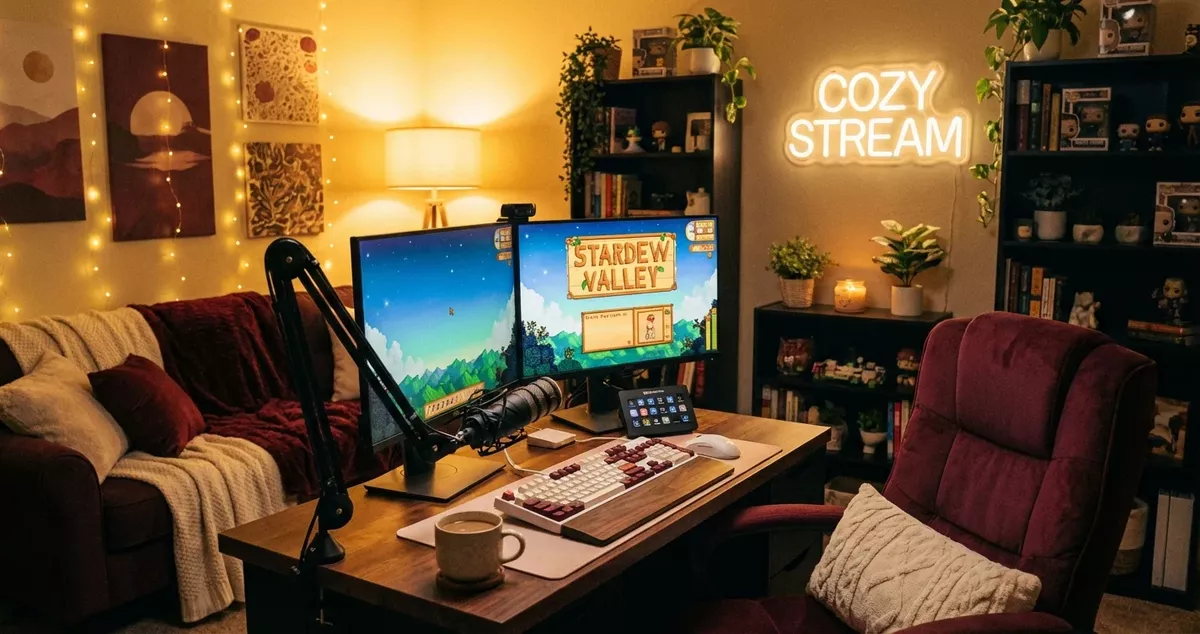
9. Stardew Valley
The cozy streaming staple. Low-intensity gameplay lets you focus on chat. Endless content potential with farm progression.
Stream Length: Ongoing | Chat Engagement: High (farm planning)
10. Hades
Roguelike with exceptional story integration. Each run is different. Deaths don’t feel punishing because they advance the narrative.
Stream Length: 30-50 hours | Chat Engagement: High (build advice)
11. Undertale/Deltarune
Choice-heavy RPGs with massive fan communities. Chat has strong opinions about every decision. Pacifist vs. genocide routes create repeat content.
Stream Length: 6-10 hours each | Chat Engagement: Very High (route debates)
12. Celeste
Precision platformer with a touching story about mental health. Death count streams are popular. Assist mode makes it accessible to all skill levels.
Stream Length: 8-15 hours | Chat Engagement: Medium (encouragement)
13. Cult of the Lamb
Base building meets roguelike meets cult management. Cozy vibes with dark humor. Chat loves naming cult members after themselves.
Stream Length: 15-25 hours | Chat Engagement: High (cult decisions)
14. A Short Hike
Tiny, wholesome exploration game. Perfect for short streams or as a palette cleanser between heavier games.
Stream Length: 1-2 hours | Chat Engagement: Medium (relaxed chat)
15. Inscryption
Card game that breaks its own rules repeatedly. Full of surprises that create clip-worthy moments. Don’t look up spoilers.
Stream Length: 10-15 hours | Chat Engagement: High (theory crafting)
Why These Games Build Communities
Why These Games Build Communities
The best streaming games share something important: they create shared experiences. When viewers watch you play Firewatch for the first time, they’re experiencing that story alongside you. When chat votes on choices in Life is Strange, they’re invested in the outcome.
Community Building Elements
- Shared discovery - Blind playthroughs create collective “wow” moments
- Meaningful choices - Chat polls make viewers feel like participants, not spectators
- Discussion fodder - Mystery games keep conversations going between streams
- Emotional investment - Games that make you cry create loyal communities
- Replay potential - Multiple endings give reasons to return
Consider the difference between watching someone play a competitive shooter versus watching someone play Oxenfree. In the shooter, viewers might enjoy the gameplay, but there’s limited opportunity for connection. In Oxenfree, every dialogue choice becomes a discussion. Every strange occurrence spawns theories. The community forms around shared speculation and emotional investment.
This is why narrative games punch above their weight for small streamers. You’re not just providing entertainment—you’re creating a space for community.
Game Selection Strategy
Game Selection Strategy
Choosing what to stream is one of the most important decisions you’ll make. The wrong game wastes your time. The right game builds your audience.
Niche vs. Popular Games
The Discovery Tradeoff
| Approach | Pros | Cons |
|---|---|---|
| Popular games | More people searching | More competition |
| Niche games | Less competition | Fewer searchers |
| Sweet spot | Established but not oversaturated | Requires research |
Use tools like TwitchTracker or SullyGnome to research game categories before committing. Look for games with:
- Steady viewer interest (not just launch spikes)
- Reasonable streamer-to-viewer ratios
- Active communities elsewhere (Reddit, Discord)
The ideal streaming game has an audience looking for it but not enough streamers to satisfy demand.
Series vs. One-Offs
Both have strategic value:
Series Content (10+ hour games):
- Builds anticipation between streams
- Gives viewers reasons to return
- Creates narrative arcs for your channel
- Works well with schedules (same game, same time)
One-Off Streams (2-4 hour games):
- Lower commitment for new viewers
- Tests audience preferences
- Provides variety content
- Good for collabs and events
A healthy streaming schedule includes both. Use one-offs to experiment and discover what your audience likes. Use series content to build consistent viewership.
Timing Considerations
Streaming new releases gets you visibility from search traffic but puts you against every other streamer. Streaming classics means less competition but relies on evergreen interest.
The smart approach: stream games about 2-4 weeks after launch. The initial rush has passed, but interest remains high. Or focus on genuine classics that always have an audience—games like What Remains of Edith Finch or Gone Home that people continuously discover.
Best Streaming Categories
Best Streaming Categories
Narrative Adventures
Games where the story IS the content. Chat experiences it with you.
Choice-Driven Games
Let chat vote on decisions. Creates investment and replay potential.
Indie Horror
Perfect for reaction content. Jump scares = clips = growth. See our full horror games guide for even more picks.
Technical Streaming Setup
Technical Streaming Setup for Story Games
Narrative games need different treatment than action games. The goal is to let the story shine while maintaining your presence as a host.
Audio Balance
Story games live and die by their audio. Dialogue, music, and ambient sound create atmosphere. Your setup should preserve this.
Audio Configuration
- Game audio: -6 to -10 dB below your voice
- Your mic: Clear and consistent, slightly above game
- During cutscenes: Lower your mic or stay quiet
- Music: Know DMCA status before streaming
OBS Studio offers audio filters that help maintain consistent levels. Use a compressor on your mic to prevent sudden volume spikes during reactions. Use a noise gate to eliminate background noise during quiet story moments.
Visual Setup
Narrative games often have cinematic presentations. Giant overlays and cluttered screens work against this.
Minimal Overlay Approach
- Keep your webcam small or use a transparent background
- Place alerts in corners, not center screen
- Disable notifications during pivotal scenes
- Consider facecam-off for certain story beats
Some streamers turn off their facecam during major cutscenes or emotional moments. This focuses attention on the game while still preserving the reaction for clips. It’s a stylistic choice, but it shows respect for the source material.
Scene Optimization
Create dedicated scenes for narrative games:
- Gameplay scene: Minimal overlay, small cam
- Chatting scene: Larger cam, game in background
- Cutscene scene: Cam only, overlays hidden
- Intermission scene: For bathroom breaks without revealing plot
Internet and Hardware
Story games are typically less demanding than competitive titles, but you still need reliable streaming hardware. According to Twitch’s Creator Camp, aim for:
- Upload speed: 6-8 Mbps minimum
- Encoding: Hardware (NVENC) preferred over software
- Resolution: 1080p30 is fine for narrative games (they’re not fast-paced)
- Bitrate: 4500-6000 kbps
Growing Your Channel
Growing Your Channel with Narrative Content
Streaming narrative games requires a different growth strategy than variety or competitive streaming. Your content has natural arcs, emotional peaks, and endings. Use these to your advantage.
Content Rhythm
By Session Length
| Duration | Games | Stream Format |
|---|---|---|
| 2-3 hours | Edith Finch, Firewatch, Gone Home, Virginia, A Short Hike | Single stream completion |
| 8-15 hours | Life is Strange, Disco Elysium, Outer Wilds, Obra Dinn, Hades | Multi-part series |
| Ongoing | Stardew Valley, Hollow Knight, Celeste, Cult of the Lamb | Long-term content |
Mix short completable games with longer series. Short games bring in curious viewers. Series content converts them to regulars.
Social Media Strategy
Narrative games generate shareable moments naturally. Use them:
- Clips: Reactions, plot twists, emotional moments
- Screenshots: Beautiful scenery, funny dialogue
- Discussions: Ask followers about choices, theories, interpretations
- Countdowns: Build anticipation for series finales
The story does the marketing work for you. Your job is capturing and sharing the moments.
Community Engagement
Narrative streamers have unique community-building opportunities:
- Theory channels: Create Discord channels for game speculation
- Choice archives: Track community decisions across playthroughs
- Spoiler management: Separate spaces for those who’ve finished
- Watch parties: Revisit completed games with commentary
Your community becomes invested in the stories you tell together. That investment translates to loyalty.
Collaboration Opportunities
Story games work well for collaborations:
- Blind co-op: Both streamers play the same game separately, compare reactions
- Choice debates: Stream discussion of major decisions
- Recommendation swaps: Play each other’s favorite narrative games
- Community playthroughs: Viewers submit their choices, you play them out
Common Mistakes to Avoid
Common Streaming Mistakes to Avoid
Learning from others’ mistakes saves you time. Here’s what trips up narrative game streamers:
Talking Over Dialogue
The Cardinal Sin
Nothing frustrates viewers more than missing plot-critical dialogue because you were reading chat. Narrative games require focus. Train yourself to pause at natural breaks rather than multitasking through important scenes.
Playing Games You’ve Already Beaten
Blind playthroughs are magic. Once you know the twists, that magic is gone. Your reactions won’t be genuine, and experienced viewers will notice. Save replays for community events, not regular content.
Ignoring Chat Completely
The opposite problem. Some streamers get so absorbed they forget they have an audience. Story games have natural pause points—use them to engage. After cutscenes, after discoveries, after choices.
Overpromising Schedules
“I’ll stream this entire series this week!” Then life happens. Narrative games create anticipation. Breaking that anticipation damages trust. Promise less, deliver more.
Spoiling Upcoming Content
If you’ve played ahead off-stream, keep it to yourself. Hints, knowing smiles, or “just wait until later” comments ruin the experience for viewers who haven’t played.
Wrong Game for Wrong Mood
Don’t stream heavy emotional content when you’re not feeling it. Your energy affects the stream. Save What Remains of Edith Finch for when you can give it proper attention.
Track Your Growth
Track Your Growth
The biggest mistake new streamers make: not tracking what works.
Metrics That Matter
When you play different games, track:
- Average viewers per game
- Chat messages per hour
- New followers per stream
- Clip creation (yours and viewers')
Over time, patterns emerge. Maybe your audience loves cozy games but doesn’t show up for horror. Data tells you what to do more of.
Essential Tools
> Streaming Tools - Our recommended software for analytics and growth
> Viewer Analytics - Specifically for tracking viewer counts and engagement patterns
Streaming Guides
Streaming Guides
Ready to start streaming? Check out our detailed guides:
Complete Resources
- Twitch Streaming Setup Guide - Complete beginner setup walkthrough
- Best Games for Small Streamers - Strategic game selection for growth
- Narrative Games for Streaming - Story games that create great content
Frequently Asked Questions
Frequently Asked Questions
What games should I stream as a new streamer?
Start with shorter narrative games that can be completed in one or two streams. Firewatch, Gone Home, and What Remains of Edith Finch are excellent choices. They’re forgiving of streaming mistakes, create engaging content without demanding mechanical skill, and give you complete story arcs to build around. Once comfortable, expand to longer series like Life is Strange.
How do I get viewers when streaming indie games?
Focus on discoverability and community. Use accurate tags and titles so people searching for specific games find you. Engage in game-specific communities on Reddit and Discord. Create clips and social content from your streams. The viewers who find indie game streams are often highly engaged and likely to become regulars.
Should I let chat make choices in story games?
Yes, but with limits. Choice-based games like Life is Strange or Oxenfree are perfect for chat polls. Set up channel point predictions or strawpolls for major decisions. However, maintain some creative control—if chat consistently makes choices you find boring, it’s okay to overrule occasionally. The key is making viewers feel involved without losing your voice as a streamer.
How important is going in blind for story games?
Very important for your first playthrough. Blind reactions are genuine reactions, and viewers can tell the difference. If you’ve already played a game, save it for a “replay with commentary” stream rather than pretending it’s new. Your credibility matters more than any single game.
What’s the best streaming schedule for narrative content?
Consistency matters more than frequency. If you’re playing a multi-session game, try to stream it at the same times each week so viewers can follow along. Two to three streams per week is sustainable for most. Announce your schedule for story series in advance so viewers can plan to attend.
Getting Started
Getting Started
Your First Week of Streaming
- Pick one game from our recommendations
- Do a test stream to check audio/video
- Set up basic analytics tracking
- Go live and engage with whoever shows up
- Review your data after 3-5 streams
- Adjust and continue
The hardest part is starting. The second hardest is being consistent. The tools exist—you just need to use them.